Best Clay for Sculpting
Choosing the best clay for sculpting can make a huge difference in how enjoyable the sculpting process feels. When people first start sculpting, they often assume clay is just clay. But after spending time working with different materials, it becomes clear that each type behaves very differently. Some clays stay soft forever, some dry quickly, and others need to be baked or fired.
The right clay depends on what you want to create. A sculptor making a large figure study may prefer a completely different material than someone sculpting small character models or decorative pieces. Understanding the strengths and limitations of each clay type helps you choose a material that supports your workflow instead of fighting against it.
Below is a breakdown of the most common clays used by sculptors and what makes each one useful.
Table of Contents
Oil-Based Clay
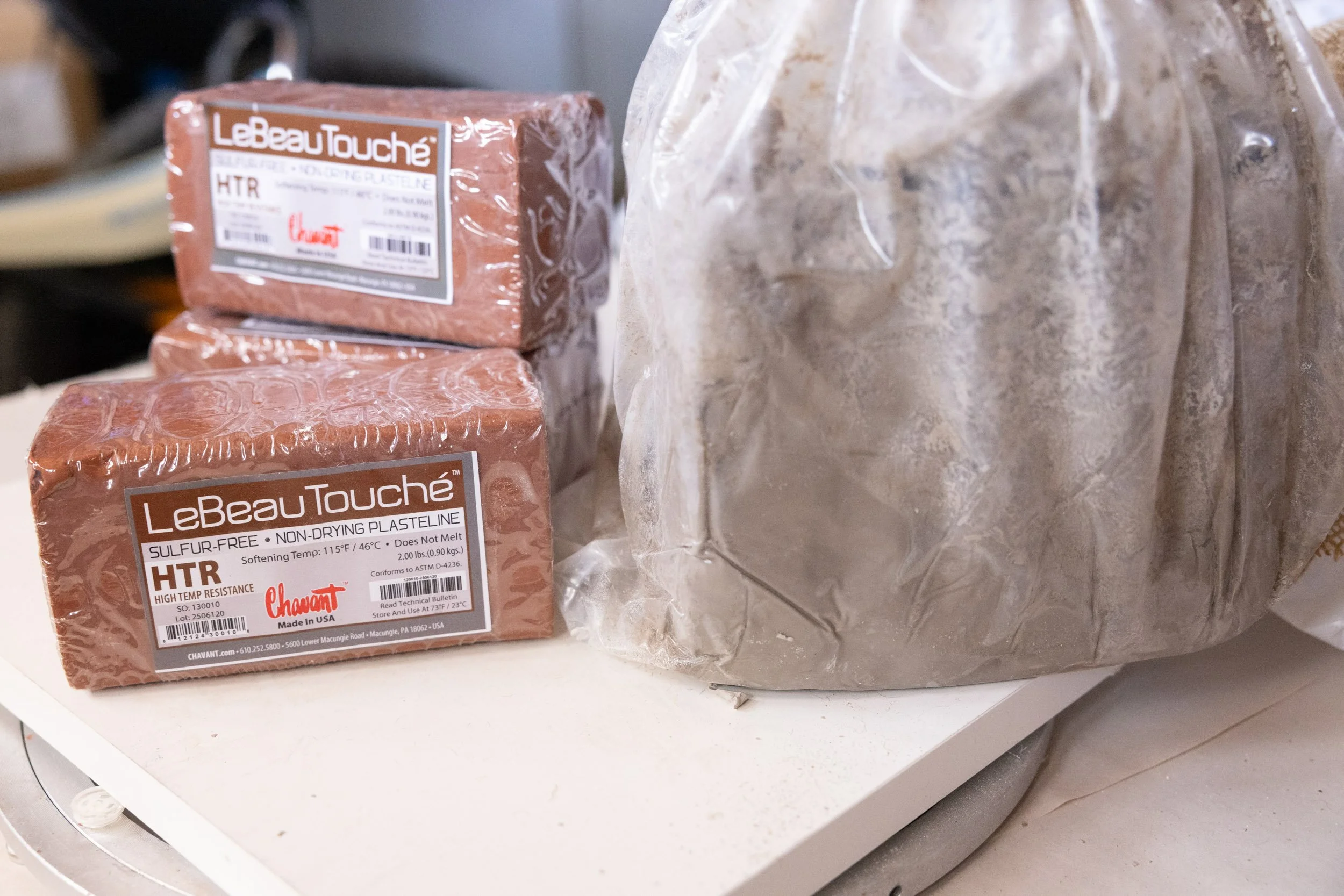
Oil based clay is one of the most popular materials used by professional sculptors. The biggest advantage is that it never dries out. You can leave a sculpture sitting on your work table for months and continue working on it later.
This type of clay is often used in studios where artists plan to make molds and cast the sculpture in another material such as resin or bronze.
Benefits of oil based clay:
Stays soft indefinitely
Excellent for detailed sculpting
Ideal for mold making
Works well for figure sculpture and maquettes
Can be softened or hardened by adjusting temperature
Common oil based clays sculptors use include:
Monster Clay
Chavant clay
Roma Plastilina
Many sculptors prefer this type of clay because it allows them to work slowly and make adjustments over time without worrying about the clay drying out.
Water-Based Clay for Traditional Sculpture
Water based clay is the traditional clay used in classical sculpture and ceramics. It is commonly used in art schools and sculpture studios that work with kiln fired clay.
This clay remains workable as long as it stays moist. If it dries out completely, it becomes hard and brittle.
Advantages of water based clay:
Excellent for large sculptures
Widely used in traditional sculpture training
Can be fired in a kiln for permanent pieces
Smooth texture that responds well to tools
However, there are a few challenges with water based clay:
It can crack if it dries unevenly
Requires constant moisture control
Finished pieces usually require a kiln
Despite these limitations, many sculptors enjoy the natural feel of water based clay and the connection it provides to traditional sculpture techniques.
Polymer Clay for Small Sculptures
Polymer clay is commonly used for small sculptures, figurines, and character models. Unlike traditional clay, polymer clay hardens when baked in a regular household oven.
This makes it very convenient for artists who want a finished piece without needing access to a kiln.
Reasons sculptors use polymer clay:
Great for small sculptures
Holds fine details extremely well
Can be baked at home
Lightweight and durable once cured
Popular polymer clay brands include:
Super Sculpey
Fimo
Premo
Polymer clay works best for smaller sculptures because larger pieces may require internal support or multiple baking stages.
Air-Dry Clay for Beginners
Air dry clay is often recommended for beginners because it is easy to use and requires very little equipment. As the name suggests, the clay simply dries and hardens when exposed to air.
This makes it a convenient option for hobby sculptors and craft projects.
Advantages of air dry clay:
No oven or kiln required
Simple to use for beginners
Widely available in art stores
Lightweight when dry
Limitations to consider:
Less durable than fired clay
Can crack if pieces are too thick
Not ideal for extremely detailed work
Many beginners start with air dry clay to learn basic sculpting techniques before moving on to other materials.
How to Choose the Best Clay for Sculpting
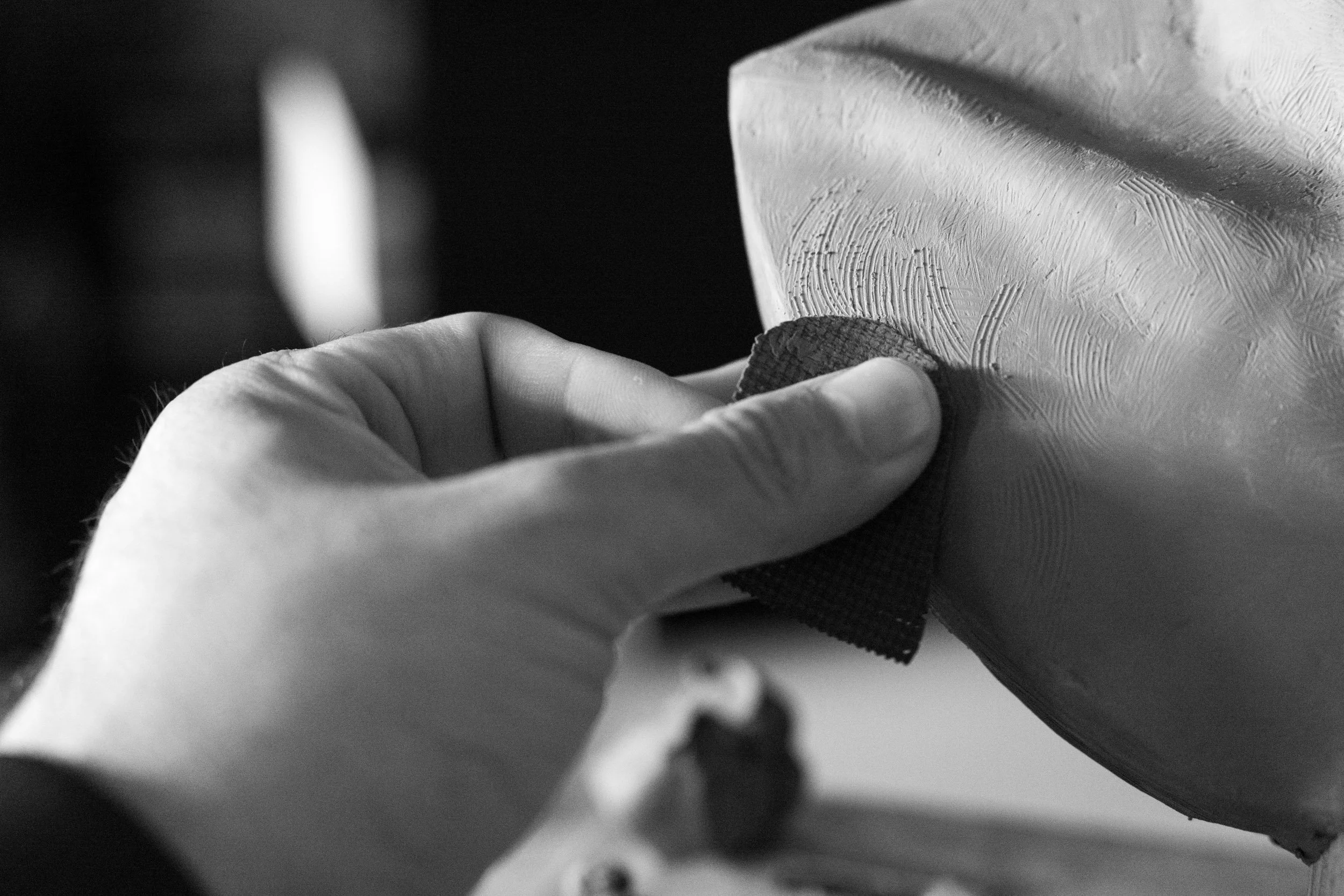
The best clay for sculpting depends on the type of project you want to create. Before choosing a clay, consider a few important factors.
Think about:
The size of the sculpture
Whether you want the sculpture to harden permanently
Whether the sculpture will be molded and cast later
The level of detail required
The tools and equipment available to you
For example:
Oil based clay works well for mold making and professional sculpture workflows.
Water based clay is excellent for traditional sculpture and kiln fired pieces.
Polymer clay is ideal for small sculptures and figurines.
Air dry clay is great for beginners learning basic techniques.
Trying several types of clay is often the best way to discover what feels comfortable for your sculpting style.
Best Clay Brands Sculptors Use
Many sculptors eventually settle on a few clay brands that match their workflow. Each brand has a slightly different texture and hardness.
Popular sculpting clays include:
Monster Clay
Chavant clay
Roma Plastilina
Super Sculpey
WED clay
Some sculptors prefer softer clay for quick gesture sculptures, while others choose firmer clay that holds crisp edges and fine details.
Testing different brands helps you find a clay that feels right in your hands.
Final Thoughts
The best clay for sculpting depends on your goals as an artist. Different materials are designed for different types of projects, and understanding these differences helps you choose the right clay for your workflow.
Oil based clay is often the preferred choice for sculptors making molds or detailed figure sculptures. Water based clay works well for traditional sculpting and kiln fired pieces. Polymer clay is excellent for small sculptures, while air dry clay is a simple entry point for beginners.
If you are new to sculpting, the best approach is to experiment with a few types of clay and see how they respond to your tools and techniques. Over time you will develop a preference that fits your style and the types of sculptures you enjoy creating.